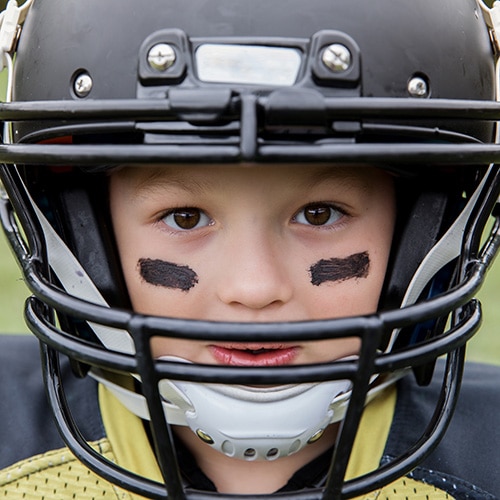
Sports are a great way for children to stay active, build confidence, and enjoy teamwork. However, athletic activities can also increase the risk of dental injuries. At San Marcos Kids Dentistry, we help families understand these risks and take simple steps to protect their children’s teeth, gums, and smile.
Dental and oral injuries are not uncommon in youth sports, which is why prevention and knowing what to do in an emergency are so important. Whether your child plays contact sports or recreational activities, being prepared can make a major difference in protecting their long-term dental health.
What Types of Dental Injuries Can Happen During Sports?
Dental injuries can occur from falls, collisions, or impact from equipment. Below are some of the most common sports-related dental injuries we see in children.
Knocked Out Tooth
If a tooth is knocked out, acting quickly is extremely important.
To increase the chances of successful re-implantation:
- Do not touch the root of the tooth
- Transport the tooth in a clean container filled with:
milk, saliva, or saline solution
Use water only if no other option is available
The ideal timeframe for re-implantation is within 30 minutes of the injury.
Fractured (Chipped or Cracked) Tooth
If a tooth is chipped or cracked during sports, your child should be evaluated as soon as possible.
Dr. Shafiei will take an X-ray to determine how severe the fracture is. Treatment depends on the extent of damage:
- Minor chips may only require dental bonding or fillings
- More serious fractures that reach the pulp or nerve may require advanced care
Luxated (Displaced) Tooth
A tooth can become displaced after a direct impact, even if it is not fully knocked out.
If this happens:
- Do not attempt to reposition the tooth yourself
- Schedule a prompt dental evaluation
- Use a cold compress to help reduce pain and swelling until your child can be seen
How Can Dental Injuries Be Prevented?
The best way to reduce the risk of sports-related dental injuries is by wearing a mouthguard.
Mouthguards help protect:
- teeth
- gums
- lips and cheeks
- overall smile appearance
Since different sports and dental needs require different levels of protection, a consultation with Dr. Shafiei can help determine the best mouthguard option for your child.
Frequently Asked Questions
Sports-related dental injuries can happen quickly, which is why understanding prevention and response is so important. These are common questions families ask about protecting children’s smiles during athletic activities.
Does My Child Need a Mouthguard for Non-Contact Sports?
Yes. Dental injuries can occur even in non-contact sports due to falls, collisions, or accidental impact with equipment.
What Type of Mouthguard Is Best for My Child?
The best option depends on your child’s sport, age, and dental development. A dental evaluation helps determine the right level of protection.
Can Store-Bought Mouthguards Provide Enough Protection?
Over-the-counter mouthguards offer some protection, but they may not fit well or stay securely in place during activity.
What Should I Do If My Child Injures Their Mouth After Office Hours?
If there is swelling, bleeding, or tooth displacement, contact our office as soon as possible for guidance on next steps.
Can Baby Teeth Be Injured During Sports?
Yes. Injuries to baby teeth can affect comfort and may impact the development of permanent teeth if not evaluated.